


The Story You Were Never Told
- JM Ryerson

- Dec 11, 2025
- 5 min read
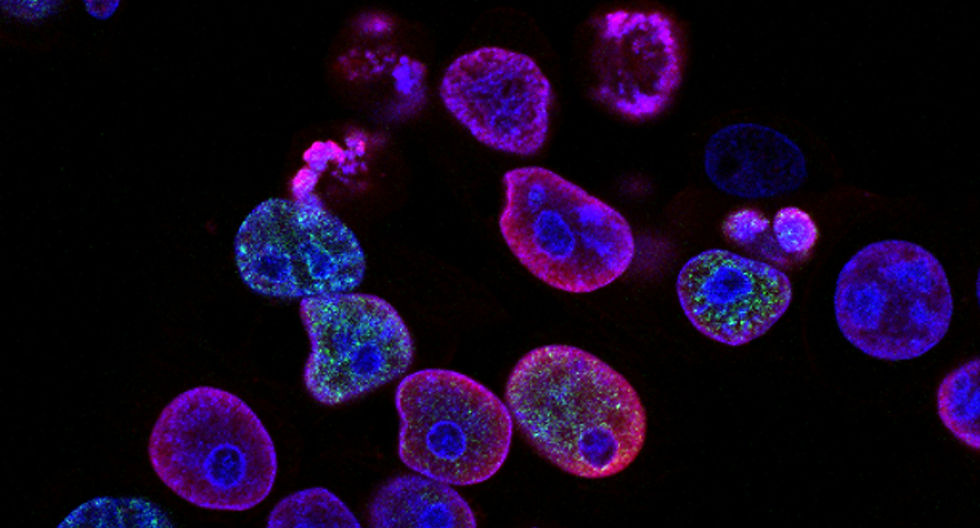
John Richardson Jr. presents a provocative, straightforward idea: much of what we call cancer is preventable and manageable through simple metabolic choices, including the use of foods rich in a compound commonly called B17 or amygdalin. Whether you accept every claim or not, the conversation is worth hearing because it reframes cancer as something influenced by diet, environment, and biochemical processes rather than an inevitable fate.
Why some cultures have almost no cancer
There are communities around the world with historically low rates of cancer. The Hunza people of northern Pakistan are often cited.
Studies and popular reports point to several shared habits among long lived, low cancer populations:
Regular consumption of apricot seeds and apricot seed oil, both rich in amygdalin
Clean water and cleaner air
Diets low in processed foods and refined sugar
Strong family and social networks
John argues that these are not coincidences. He points to a body of laboratory and observational work suggesting that biochemical interactions between certain plant compounds and enzymes in the body can interrupt abnormal cell growth before it becomes clinically significant.
The biochemistry in plain language
Understanding the proposed mechanism helps make the argument concrete.
Here are the main pieces:
Amygdalin is a compound found in the seeds of many fruits and in numerous plant foods. It is often referred to as B17.
Cancer cells produce higher amounts of an enzyme called beta glucosidase. When amygdalin encounters this enzyme it can break apart into glucose, benzaldehyde, and a small amount of cyanide.
The idea is that cancer cells, which avidly consume glucose, chew through the amygdalin and in the process generate cyanide and benzaldehyde locally, which may harm the abnormal cell.
Healthy cells, by contrast, have higher levels of a protective enzyme called rhodanese. Rhodanese converts cyanide into less harmful compounds, shielding normal tissue.
In addition, enzymes produced by the pancreas such as trypsin and chymotrypsin help digest the protective coating around tumor cells so immune cells can better attack them. Reducing glucose intake, fasting, and improving enzyme function are all part of the metabolic approach John discusses.
Practical steps you can start today
Whether you adopt the full metabolic protocol or simply want to lower your risk, these are the practical actions discussed:
Eat more whole plant foods. Include fruits, beans, seeds, whole grains, and nuts that contain amygdalin. Examples include apricot kernels, lentils, lima beans, flax, and the seeds of berries.
Keep fruit seeds. Many commercial fruits are sold seedless. The amygdalin is concentrated in seeds and pits, so choosing whole fruit preserves that nutrient.
Cut refined sugar and processed foods. Cancer cells feed on glucose. Reducing added sugar and white flour lowers the fuel available to rapidly dividing cells.
Mind cooking methods. Overcooking can destroy water soluble nutrients. Favor gentle cooking for vegetables and beans.
Consider fasting. Water fasting and other intermittent fasting strategies may reset metabolic pathways and support immune function.
Support oxygenation. Therapies such as ozone or other oxygen based approaches are mentioned as supportive because many tumors thrive in low oxygen environments.
Adjunctive therapies. High dose vitamin C, red light therapy, and enzyme therapy like bromelain are included among complementary tools used by practitioners who follow metabolic protocols.
Specific guidance on apricot seeds varies. Recommendations given in the discussion ranged from a few seeds a day up to a dozen or more. John personally consumes a much higher intake, but he also emphasizes that many people feel benefits at modest levels. If you try seeds, start small and consult a knowledgeable practitioner for dose guidance.
Common fears and misconceptions
Two frequently repeated concerns are cyanide toxicity and the claim that seeds are dangerous:
Are apricot seeds poisonous? The concern is the cyanide content. The claim in the conversation is that cyanide released from amygdalin is processed by protective enzymes in healthy tissue and that true cases of fatal cyanide poisoning from regular seed consumption are not documented in the speaker's experience. Mild stomach upset or dizziness has been reported in isolated cases.
Is three seeds enough to harm you? Popular warnings about a few seeds being lethal are cited widely online. The alternative perspective here is that those warnings oversimplify biochemistry and do not reflect the enzyme mediated protection that helps prevent widespread toxicity in healthy people.
Fear is false evidence appearing real.
That quote captures the central message: data and enzyme biology matter more than headlines. Still, individual tolerance varies, and medical consultation is appropriate before beginning any concentrated regimen.
The controversy and why research is stalled
This approach has a contentious history. Key points raised:
Promising studies on amygdalin and related metabolic therapies have faced institutional pushback and, in some cases, funding cuts.
Some researchers who published favorable findings were reportedly pressured or dismissed. Several historical examples are cited to illustrate how institutional and financial incentives can affect the direction of research.
There are no large scale, modern, double blind human randomized controlled trials that definitively prove amygdalin as a cure. That lack of human trials is part of why the mainstream remains skeptical.
Those are real considerations. At the same time, advocates argue that observational evidence, animal studies, and decades of clinical anecdote justify broader, carefully designed human trials. The larger point is that financial and institutional incentives shape which questions are prioritized.
How practitioners apply metabolic protocols
Doctors who use metabolic approaches tend to combine multiple strategies rather than rely on a single compound.
Typical components of a protocol include:
Dietary change focused on whole foods and low sugar
Targeted nutrient therapy including vitamin C and enzyme support
Amygdalin containing foods or preparations used as part of an overall metabolic plan
Fasting cycles to lower blood glucose and stimulate immune repair
Adjunct therapies such as ozone, red light, and focused enzyme therapy to improve oxygenation and immune access to tumors
Practitioners emphasize that these strategies are adjunctive and metabolic rather than guaranteed cures. They are described as ways to shift the internal environment so abnormal cells cannot thrive.
Where to learn more and next steps
If you want to research these ideas further, seek multiple sources. One organization referenced in the discussion is Operation World Without Cancer, which collects studies, historical material, and practitioner contacts. For those curious about products, the Richardson Nutritional Center store is mentioned as a source of apricot seed preparations and seed meal.
At a minimum, consider these three immediate actions:
Eat more whole fruits, beans, and seeds that naturally contain amygdalin.
Cut back on added sugar and refined carbohydrates to reduce the metabolic fuel for abnormal cell growth.
Talk with a healthcare professional before beginning intensive protocols, especially if you are undergoing treatment or have other medical conditions.
Final thought
The conversation reframes cancer as deeply connected to metabolic health, dietary choices, and environmental factors. Whether you adopt every recommendation or not, the practical takeaway is simple: prioritize whole foods, limit processed sugar and refined carbohydrates, and be open to metabolic strategies that support immune function and enzyme balance. If nothing else, keeping an open mind and doing careful research may add years and quality of life.
To learn more or reach out to John, you can visit his website.



Comments